27 May 2026
Balancing Voluntary Limits with Bonus Activation in Recurring Online Poker Leagues
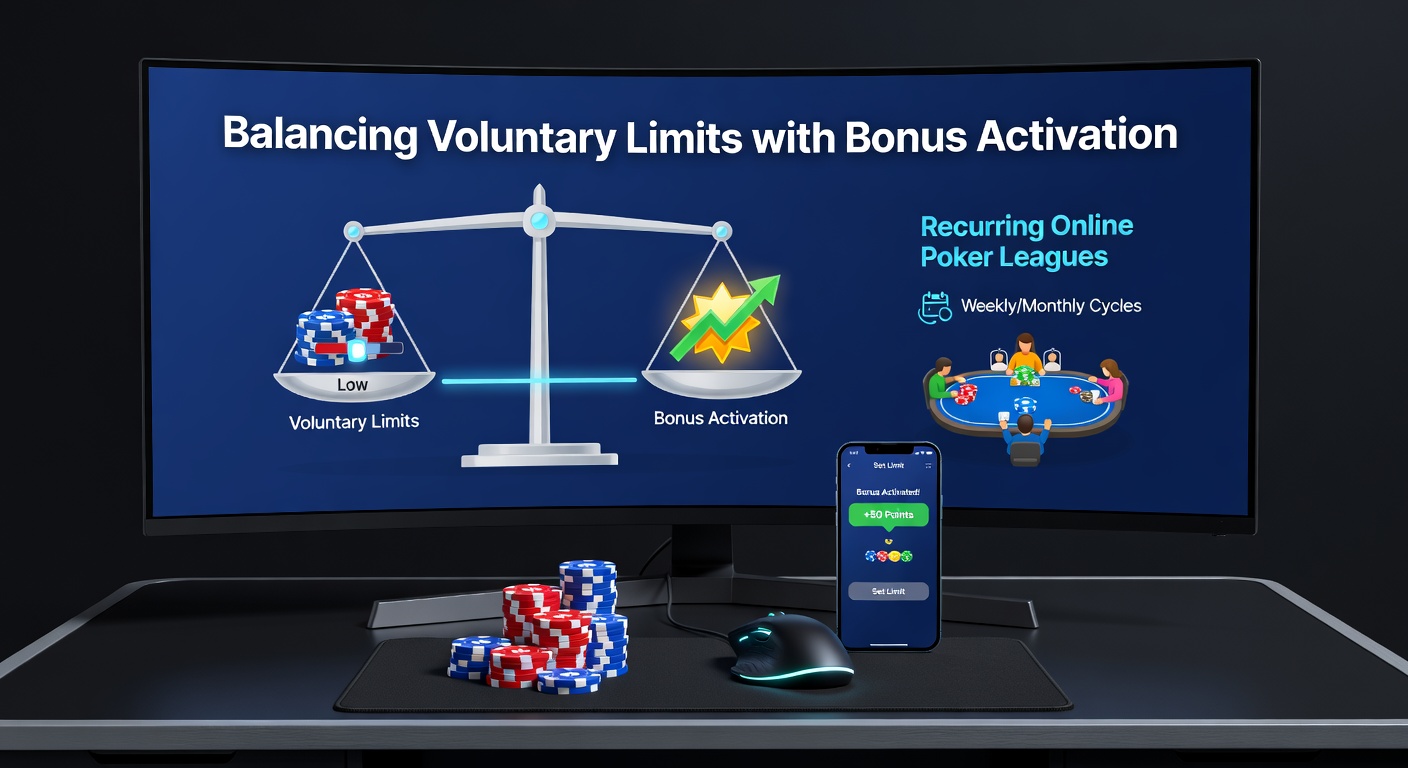
Recurring online poker leagues operate on fixed schedules where participants accumulate points across multiple sessions, and operators frequently tie bonus releases to consistent play thresholds. Players set voluntary limits on deposits, session times, or losses through account tools, yet these controls must align with the requirements that unlock recurring rewards such as leaderboard boosts or cash-back percentages. Research from the Responsible Gambling Council indicates that structured leagues in regulated markets saw participation rates climb steadily through early 2026, with many platforms reporting that limit adjustments coincided directly with bonus claim periods.
Mechanics of Voluntary Limits in League Play
Voluntary limits function as player-initiated parameters that platforms enforce automatically once activated, covering daily or weekly deposit caps, loss thresholds, and time-based restrictions. In recurring leagues these limits interact with bonus systems because activation often demands a minimum number of hands or buy-ins within a set window, which can push against the boundaries a player has already established. Data compiled by the American Gaming Association shows that operators in several U.S. states recorded a 14 percent increase in voluntary limit usage among recurring tournament participants between January and May 2026, reflecting broader adoption of responsible play features alongside promotional structures.
Platforms typically allow real-time modifications to these limits, although some impose cooling-off periods before increases take effect. League rules may require players to maintain active status through regular entries, creating situations where a previously set deposit cap blocks the very volume of play needed to trigger a bonus tier. Observers note that poker sites address this through clear in-app notifications that flag when a pending limit change would affect bonus eligibility, helping users coordinate their settings in advance of each league cycle.
Bonus Activation Requirements Across Recurring Formats
Recurring leagues commonly structure bonuses around cumulative activity metrics such as hands played, total rake contributed, or points earned toward seasonal standings. These incentives range from percentage-based cash returns to entry-fee waivers for subsequent events, and they reset on weekly or monthly schedules. Activation frequently hinges on meeting volume thresholds within the same period that voluntary limits are monitored, so players must calculate whether their chosen caps still permit sufficient engagement to qualify.
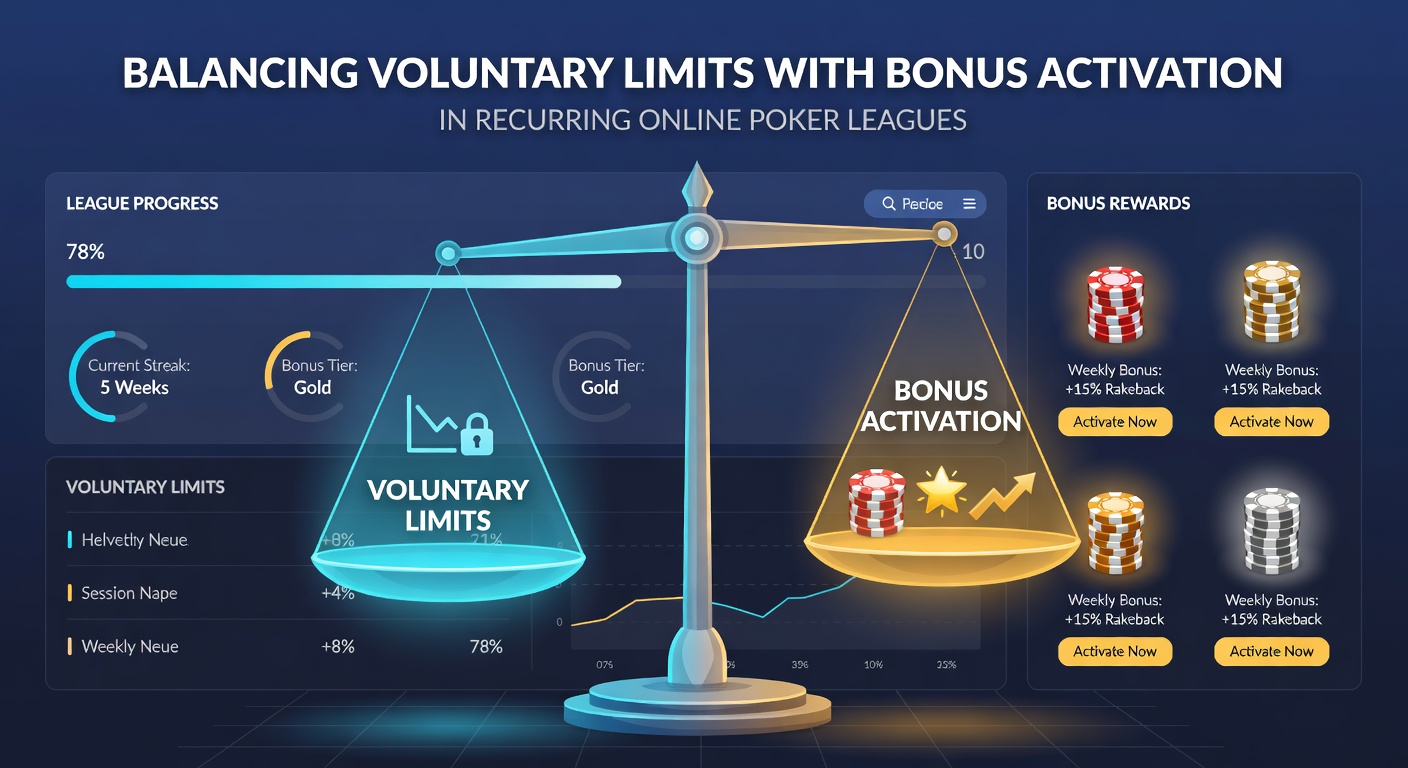
Studies published by the University of Nevada, Reno Gaming Research Center reveal that leagues offering tiered bonuses tied to consistent weekly participation experienced higher retention when platforms provided transparent calculators showing how limit settings projected against bonus milestones. In May 2026 several major operators updated their dashboards to display projected bonus progress alongside current limit status, reducing instances where players inadvertently fell short of activation criteria due to self-imposed restrictions.
Coordination Challenges and Platform Responses
Coordinating voluntary limits with bonus activation presents logistical hurdles because league calendars operate on fixed rhythms while limit tools allow flexible adjustments. A player who lowers a weekly deposit cap mid-cycle may discover that remaining available funds fall below the amount needed for the hands required to unlock a cash-back reward. Platforms respond by offering temporary overrides for bonus-specific activity or by permitting limit increases that apply only after a confirmation delay, preserving the intent of the original control.
Industry reports from the European Gaming and Betting Association document that operators in multiple jurisdictions introduced separate tracking categories in 2026, distinguishing bonus-eligible volume from general play so that limits could remain intact while still permitting targeted participation. These segmented systems allow players to allocate a portion of their deposit allowance exclusively toward league requirements, thereby maintaining overall spending boundaries without sacrificing bonus access.
Observed Patterns in Player Management
Patterns emerging from league data illustrate that many participants review and adjust voluntary limits at the start of each recurring cycle rather than during active periods. This timing reduces friction because changes occur before bonus thresholds become imminent. Platforms that send automated reminders seven days before a new league round begins report higher rates of successful bonus claims among users who maintain active limits, according to aggregated operator statistics shared at industry conferences.
Some sites integrate predictive modeling that forecasts how different limit combinations will affect bonus progression, presenting the information in plain-language summaries. Players who utilize these tools demonstrate steadier engagement across full league seasons, as the modeling highlights the precise deposit or time allocations needed to reach each reward level without breaching self-set boundaries.
Regulatory Context and Compliance Measures
Regulatory frameworks in various regions require operators to make voluntary limit tools accessible and to avoid designs that pressure players into exceeding those limits for promotional gain. As of May 2026, several North American gaming commissions had begun reviewing how recurring league bonuses interface with limit systems, seeking to ensure that activation mechanics do not inadvertently undermine player controls. Compliance teams now routinely audit league structures to confirm that bonus notifications appear alongside limit status indicators rather than in isolation.
Operators maintain detailed logs of limit changes and bonus claims, allowing regulators to examine whether any systematic conflicts arise. These records also support internal reviews that refine how limits and bonuses are presented together on user interfaces, promoting clearer decision-making without restricting access to either feature.
Conclusion
Recurring online poker leagues continue to integrate voluntary limits and bonus activation through segmented tracking, predictive dashboards, and timed adjustment windows. Available data from 2026 shows steady platform refinements that align self-regulation tools with promotional requirements, enabling participants to pursue league rewards while respecting their chosen boundaries. These developments reflect ongoing coordination between player controls and league structures across regulated markets.