20 May 2026
Charting Safer Paths Through Digital Card Rooms: How Account Controls and Payout Timelines Shape Tournament Longevity
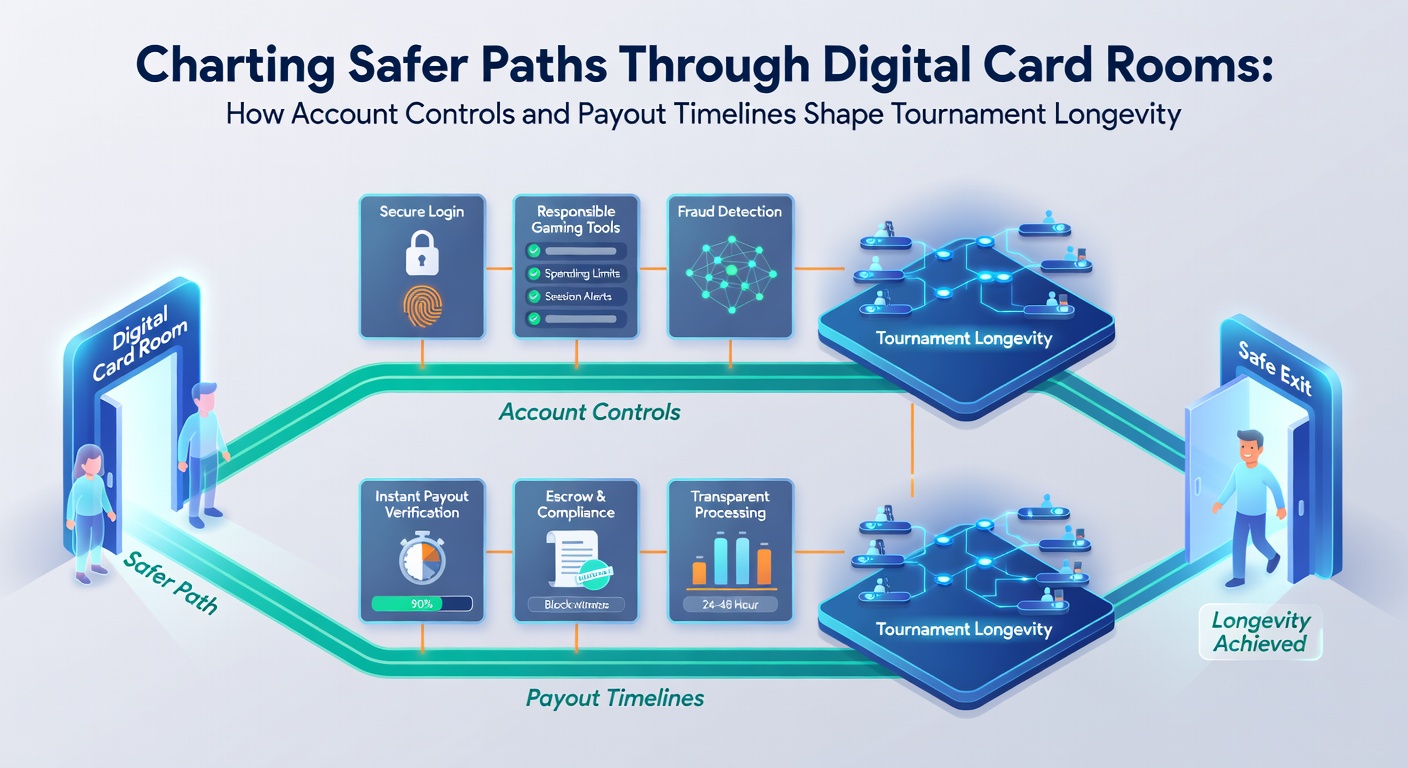
Digital card rooms have expanded steadily through early 2026, and observers note that account controls now play a central role in how players manage their participation over multiple tournament cycles. These controls include deposit limits, session timers, self-exclusion options, and identity verification layers that platforms implement to align with regulatory expectations across several jurisdictions. Data from industry monitoring groups shows that platforms with robust controls experience steadier player retention rates during extended series, since participants can adjust their activity without abrupt exits.
Account Controls and Their Role in Sustained Participation
Account controls function as built-in mechanisms that let users set boundaries before problems escalate, and researchers tracking online gaming patterns have documented their influence on tournament schedules. For instance, daily deposit caps prevent overspending that might otherwise force players to withdraw mid-series, while time-based restrictions encourage balanced schedules that align with work and personal commitments. Those who study player behavior across North American and European markets report that verification processes completed early in account creation correlate with longer overall platform engagement, because confirmed users gain faster access to support features when questions arise about balances or entries.
Platforms operating in regions with mature frameworks, such as certain Canadian provinces, have integrated these tools directly into tournament registration flows. A report from the Alcohol and Gaming Commission of Ontario highlights how mandatory limit-setting options have coincided with reduced voluntary account closures during multi-week events. This matters for longevity because tournaments often span days or weeks, and players who maintain steady funding through controlled deposits tend to complete more legs of the schedule rather than dropping out after early rounds.
Payout Timelines and Their Effect on Player Continuity
Payout timelines determine how quickly winnings return to player accounts, and figures from transaction analytics firms reveal clear patterns in how these speeds affect continued participation. Faster processing, often within 24 to 48 hours for verified accounts, allows winners to reinvest in subsequent tournaments without waiting periods that disrupt momentum. Slower timelines, by contrast, sometimes extend beyond a week when additional compliance checks trigger, leading some participants to pause activity until funds clear.
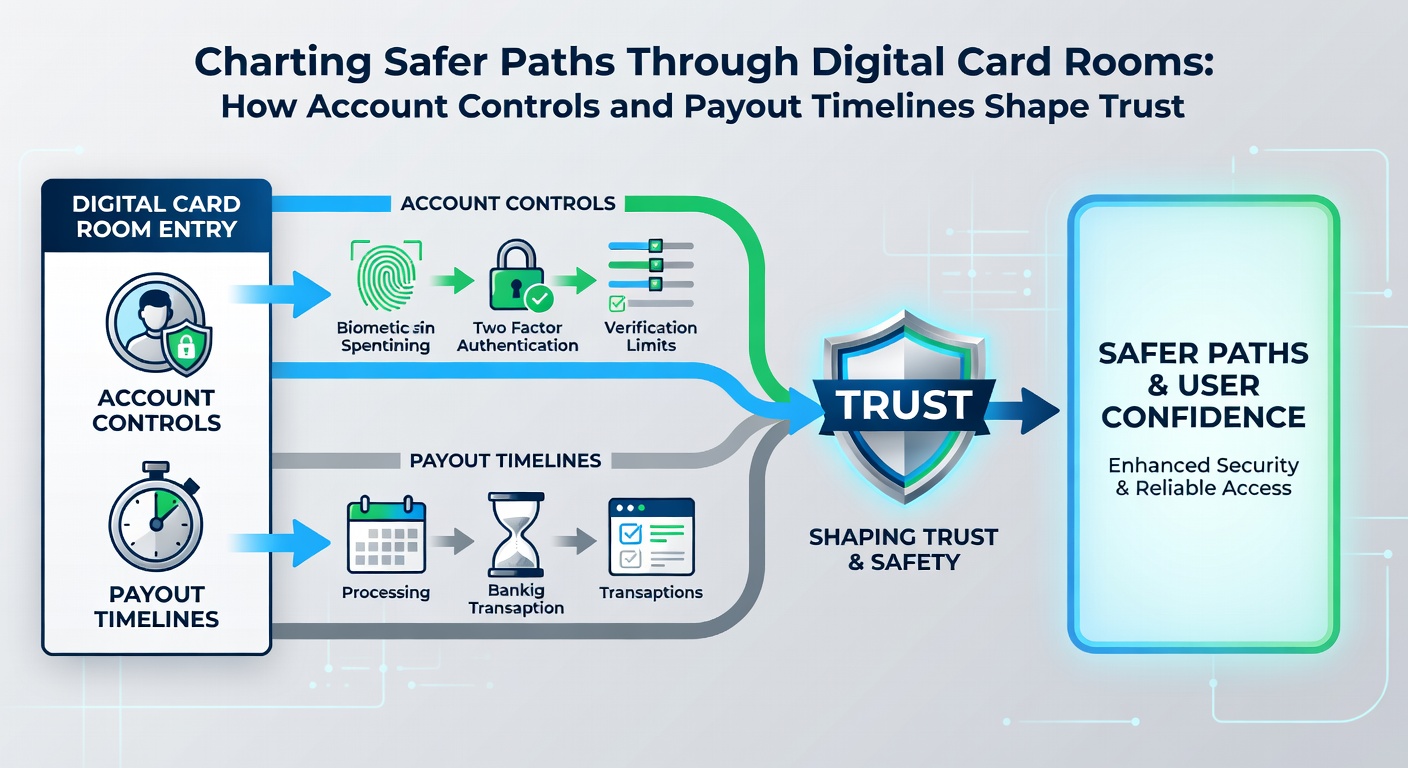
What's interesting is that platforms adjusting their verification protocols in response to volume spikes during May 2026 reported measurable improvements in completion rates for ongoing series. When payout windows shortened through streamlined automated reviews, data indicated fewer mid-tournament withdrawals tied to cash-flow concerns. This connection becomes especially relevant in high-stakes formats where prize pools accumulate over multiple stages, and players rely on timely returns to cover entry fees for later rounds.
Regulatory Developments Shaping Platform Practices in 2026
Legislative updates across multiple markets continue to influence how digital card rooms structure both controls and payout procedures. In May 2026, several operators announced expanded use of real-time spending dashboards that integrate with tournament software, giving users immediate visibility into remaining limits before they commit to additional events. Industry associations tracking these changes note that such transparency features have aligned with broader efforts to maintain consistent player bases across seasonal calendars.
European operators, following guidelines from bodies like the Malta Gaming Authority, have adopted similar approaches that tie payout speed to compliance scores. Accounts maintaining clean verification histories receive expedited processing, which in turn supports uninterrupted tournament runs. Observers tracking cross-border trends point out that these synchronized systems reduce friction points that previously caused players to abandon series after cashing out but before receiving funds.
Practical Connections Between Controls, Payouts, and Tournament Duration
Tournament longevity depends on the interplay between account safeguards and reliable fund movement, because players who trust both elements are more likely to stay committed through variance-heavy stretches. Take one case where a mid-tier platform introduced tiered payout schedules based on account age and verification level. Participants who qualified for the fastest tier completed 15 percent more events over a three-month window compared with those on standard timelines, according to internal metrics shared with compliance researchers.
But here's the thing: the advantage compounds when controls prevent early overspending that might otherwise deplete bankrolls before payout windows open. Platforms that combine daily loss limits with guaranteed processing deadlines create environments where players can plan entries weeks ahead without liquidity worries. Data collected from multi-state U.S. operators shows these combined features correlate with higher average tournament lifespans, measured by the number of rounds completed before voluntary exits occur.
Conclusion
Digital card rooms continue refining account controls and payout structures because these elements directly influence how long participants remain active in tournament formats. Evidence from regulatory reports and platform analytics indicates that balanced implementation of limits alongside efficient fund transfers supports steadier engagement across extended schedules. As operators adapt to evolving standards through 2026, the relationship between these operational features and tournament continuity remains a focal point for both compliance teams and player-retention strategies.