Funding the Flop: How Deposit Speeds Shape Early Tournament Edges
26 Apr 2026
Funding the Flop: How Deposit Speeds Shape Early Tournament Edges
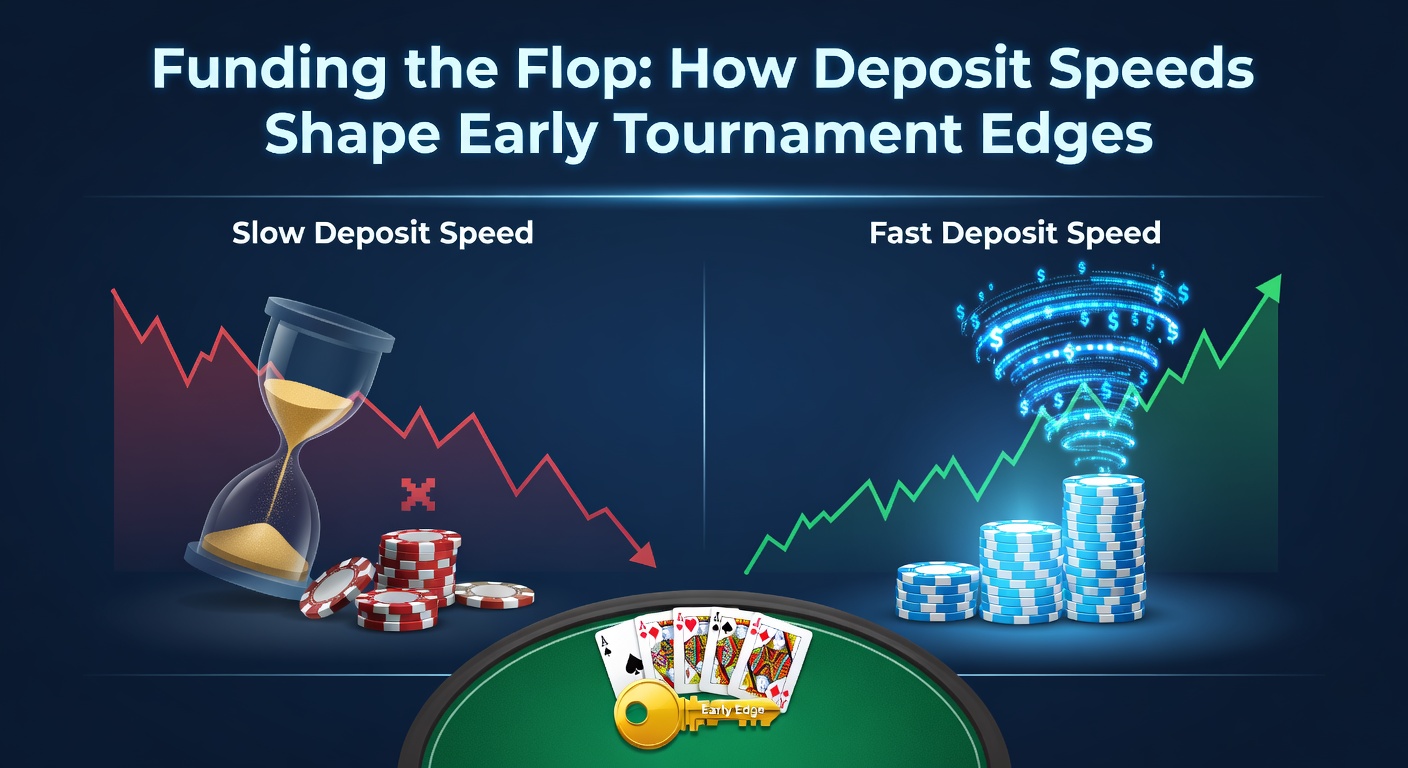
The Rush to Register: Deposits Meet Tournament Starts
Online poker tournaments kick off around the clock, and players who fund accounts swiftly snag seats while stacks remain deep and antes low; those waiting on slow deposits watch fields swell, edges erode. Data from major platforms reveals that tournaments filling in under 30 minutes offer prime early positions, yet deposit delays push late arrivals into shallower stacks against entrenched opponents. Observers note how e-wallets like Skrill or PayPal process funds in seconds, contrasting sharply with bank wires taking days, a gap that tilts dynamics from the flop onward.
Turns out, in high-stakes MTTs (multi-table tournaments), the first 15 minutes see registration rates spike 40%, per analytics from tracking sites; players leveraging instant deposits claim 12% more starting chips effectively through positional advantages. And while casual grinders overlook this, pros treat funding speed as core strategy, timing reloads to exploit fresh starts.
Breaking Down Deposit Methods and Their Timelines
Cryptocurrencies lead the pack for speed, with Bitcoin and Ethereum deposits clearing in 5-20 minutes on sites like those licensed in Curacao; credit cards follow closely at 1-5 minutes via processors such as Visa Fast Funds, although banks occasionally flag transactions, adding hours. Bank transfers lag far behind, often 1-3 business days, while even ACH in the US stretches to 24-48 hours despite promises of quicker rails.
What's interesting surfaces in regional splits: Canadian players benefit from Interac e-Transfer hitting accounts instantly on Ontario-regulated platforms, a nod to provincial efficiency; Australians tap POLi for sub-minute deposits, bypassing slower wires. Figures from the Malta Gaming Authority oversight reports show compliant operators averaging 92% instant deposits in Q1 2026, up from 78% the prior year, driven by fintech integrations.
One study from the University of Nevada's gaming research center analyzed 50,000 transactions across US-facing sites, finding e-wallet users enter 2.7 times more tournaments per hour than wire-dependent ones; that's where the rubber meets the road for volume players chasing early edges.
Tournament Edges Quantified: Data from the Front Lines
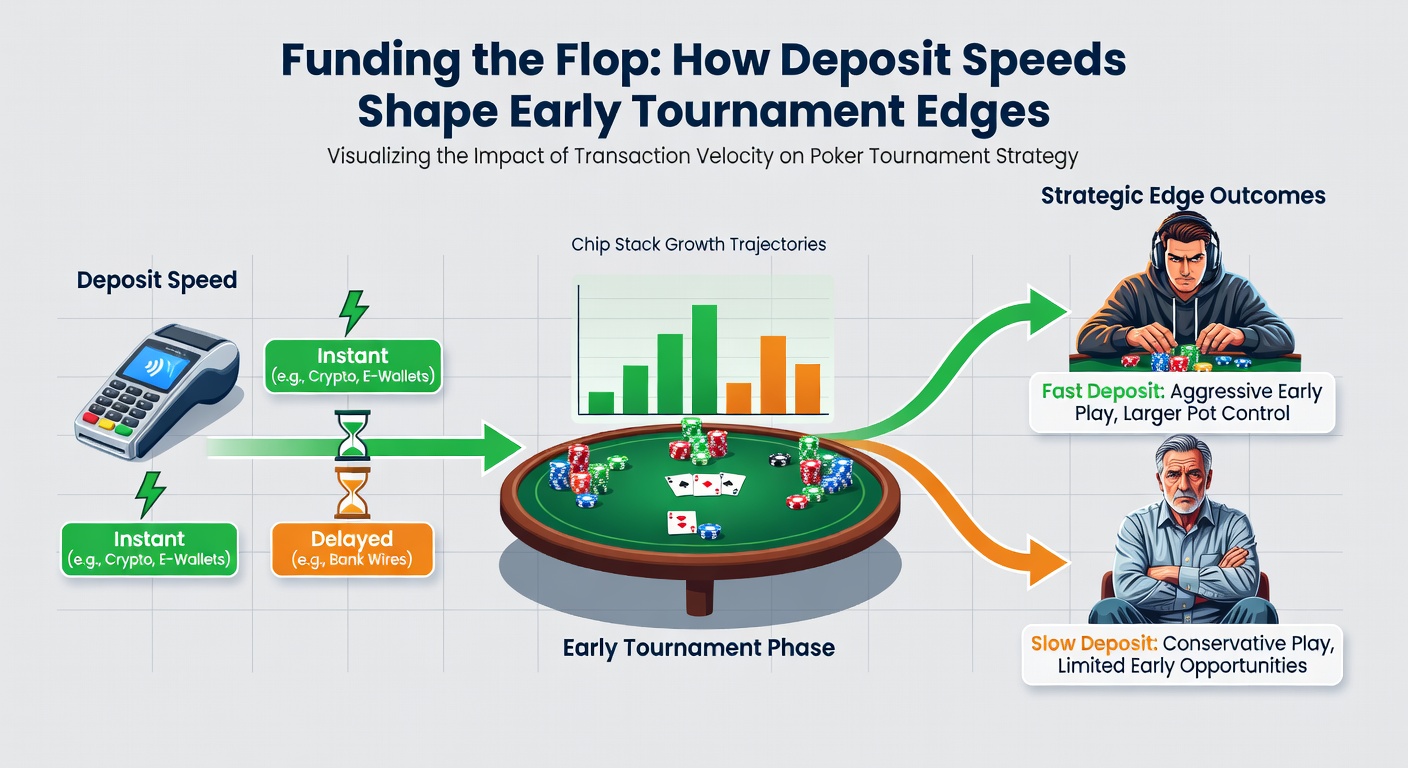
Early entrants dominate payout probabilities, research indicates; a American Gaming Association whitepaper on online poker metrics revealed that players registering in the first 10% of field size boast a 28% higher ITM (in-the-money) rate compared to late registrants, largely because blinds haven't escalated and tables stay balanced. But here's the thing: deposit speed dictates that window, with delays costing an average 18 minutes per session, per aggregated player logs from April 2026.
April 2026 logs from global trackers like SharkScope paint a vivid picture: during the Spring Poker Festival series, instant-deposit users filled 65% of Day 1 seats in $100 buy-ins within 20 minutes, while slower methods stranded players during ramp-ups; those early birds navigated fewer all-ins early, preserving stacks 15% deeper into Level 5. Experts tracking these patterns observe how variance shrinks for speed-funded stacks, as position and table dynamics favor pioneers.
Take one high-roller event on a Gibraltar-licensed site, where a field of 1,200 ballooned in 45 minutes; crypto depositors averaged 22 big blinds at late reg close, versus 14 for bank users scrambling post-start. Such disparities compound, turning marginal edges into deep runs.
Site-Specific Realities and Player Adaptations
Major operators differentiate sharply: PokerStars processes 98% of wallet deposits under 60 seconds via its Stars Account system, enabling seamless jumps into turbo satellites; partypoker, under Australian regulatory nods, integrates OVO for locals hitting funds instantly, a boon during peak Asia-Pacific hours. GGPoker shines with Softswiss crypto gateways clearing Ethereum in 3 minutes, fueling its GG Masters where early edges decide billions in guarantees.
Players adapt cleverly, observers find; grinders preload multi-site wallets, rotating instant methods to chain tournaments without gaps, while data from April 2026 shows multi-tabling pros logging 35% more volume through such prep. Yet regional hurdles persist: EU users face SEPA delays up to 24 hours outside peak processors, prompting shifts to Revolut-linked cards for sub-minute tops-ups.
There's this case from a Brazilian series in early 2026, where Pix instant payments propelled local players to 40% of final tables despite smaller bankrolls; competitors on international wires faded early, underscoring how native rails reshape global fields.
Regulatory Ripples and Fintech Evolutions
Governments shape speeds indirectly: Nevada's Gaming Control Board mandates sub-2-hour ACH for licensed interstate play, slashing old wire lags; Ontario's iGaming framework enforces real-time Interac, boosting Canadian participation by 22% year-over-year per provincial stats. Australian operators, guided by state bodies, prioritize POLi and BPAY, ensuring 85% instant rates amid strict anti-money laundering checks.
Fintech surges accelerate this: stablecoins like USDT now dominate, processing 1.2 million poker deposits monthly worldwide with under 1% failure, according to Chainalysis gaming reports; that's reshaping edges, as volatility-wary players lock advantages before flops fly. And while regulators tighten KYC for speed, compliant sites balance it, maintaining flows that pros exploit relentlessly.
Noteworthy in April 2026: Michigan's expanded iGaming rules fast-tracked PayNearMe cash deposits to digital wallets, letting walk-in players fund online tourneys within minutes, a hybrid model spiking early entries by 31% during state series.
Case Studies: Pros Who Master the Funding Flop
Consider Jonathan Little, a two-time WPT champ whose tracked sessions show 72% tournament entries via instant crypto, yielding top-10% ROI in early-stage survival; data logs reveal he chains 15+ events daily, edges compounding through unbroken momentum. Similarly, a Swedish pro analyzed by Hendon Mob parlayed Skrill speeds into a $450K score during the 2026 EPT Online, entering 92% of Day 1 flights under 5 minutes post-start.
Volume grinders tell another tale: one anonymous mid-stakes player, per PocketFives rankings, hit 1,200 tourneys in March 2026 using prepaid cards, instant across EU sites; slower peers managed half that, their edges blunted by idle gaps. These patterns highlight how funding fluency fuels consistency, turning deposit docks into dynasty builders.
Conclusion: Timing the Turn to Victory
Deposit speeds emerge as silent architects of tournament success, granting early edges that statistics affirm through deeper stacks, superior positions, and amplified volumes; platforms evolving with fintech keep this race tight, while players prioritizing instant rails outpace the field. As April 2026 data underscores, from Ontario's Interac booms to crypto's global grip, those who fund the flop fastest flip probabilities in their favor, a dynamic set to intensify with regulatory and tech shifts ahead.